Florida’s subtropical climate creates some of the most unpredictable driving conditions in the country. While the Sunshine State attracts millions of visitors each year seeking warm weather, that same climate brings serious hazards to Florida’s roadways. Rain, extreme heat, fog, and humidity combine to increase accident risk year-round. Understanding how climate and weather are affecting Florida road accidents helps drivers stay safe and know what to do if they’re injured in a weather-related crash.
Why Choose The Bruner Law Firm for Weather-Related Accident Claims
When weather causes a car accident, proving negligence requires experience and knowledge. The Bruner Law Firm has represented injured accident victims for over 40 years, since our founding in 1985. Our team of attorneys understands Florida’s unique driving challenges. Our firm focuses on plaintiff representation, meaning we fight for injured people and never for insurance companies or at-fault drivers.
Drew Gordy Bruner, one of our lead attorneys, holds the Super Lawyer designation from Thomson Reuters and maintains an AV-Preeminent rating from Martindale-Hubbell. He’s recognized as a Fellow of the American Bar Foundation, placing him in the top 1% of lawyers nationwide. Our team investigates weather-related accidents thoroughly. We collect critical evidence and prove negligence even when bad weather is involved. We understand Florida’s comparative negligence standard and hold responsible drivers accountable for their actions.
How Heavy Rain and Thunderstorms Increase Accident Risk
Florida experiences sudden, torrential downpours that can appear without warning, especially during summer months. These intense rainstorms create immediate hazards that catch drivers off guard. When heavy rain falls, visibility drops dramatically, making it difficult to see other vehicles, road markings, and hazards ahead.
The most dangerous consequence of heavy rain is hydroplaning. When water accumulates on the road surface faster than tires can disperse it, vehicles lose traction and slide uncontrollably. Drivers cannot steer or brake effectively during hydroplaning, leading to collisions with other vehicles or roadside objects. Flash flooding also poses a serious threat, as water can cover roadways and sweep vehicles away. According to the Federal Highway Administration, 46% of weather-related vehicle crashes occur during rainfall, making wet weather one of Florida’s leading accident causes among weather-related incidents.
During thunderstorms, drivers also experience delayed reaction times. The combination of reduced visibility, wet roads, and driver anxiety creates a perfect storm for accidents. Even experienced drivers struggle to maintain control when rain intensifies suddenly. If you’ve been injured in a rainy day car accident, our team can help you recover compensation.
Heat and High Temperatures: A Hidden Danger
Florida’s extreme heat affects both drivers and vehicles in ways many people don’t realize. Summer temperatures regularly exceed 90 degrees, creating conditions that damage vehicles and impair driver performance. Research shows that fatal crash rates increase by approximately 9.5% when temperatures exceed 80 degrees Fahrenheit compared to milder days.
Heat causes tire blowouts by expanding the air inside tires beyond safe pressure levels. When a tire blows out at highway speeds, drivers lose control instantly. Engine overheating is another common problem, as cooling systems work overtime in Florida’s heat. Brake fade occurs when brake fluid heats up and loses effectiveness, making it harder to stop quickly in emergencies. These mechanical failures often lead to serious truck accidents and motorcycle accidents.
Driver fatigue and dehydration worsen during hot weather. The body’s natural response to extreme heat is exhaustion, and dehydration impairs judgment and reaction time. Drivers become irritable and aggressive, leading to risky decisions on the road. Vehicle batteries also fail more frequently in extreme heat, potentially leaving drivers stranded or causing electrical system failures that affect brakes and steering.
Fog and Reduced Visibility Hazards
Morning and evening fog blankets Florida roadways regularly, creating visibility conditions that rival the worst winter weather in northern states. Fog reduces sight distance to just a few feet, making it nearly impossible for drivers to see oncoming vehicles, pedestrians, or road hazards.
When visibility drops due to fog, drivers cannot judge distances accurately. They misjudge the speed of other vehicles and fail to see stopped traffic ahead. Rear-end collisions become common during foggy conditions because drivers cannot see brake lights until they’re too close to stop. Fog also makes it difficult to see lane markings, causing drivers to drift into other lanes and collide with vehicles traveling in the opposite direction. Pedestrian accidents are particularly common in low-visibility conditions.
Humidity and Its Impact on Vehicle Performance
Florida’s year-round humidity affects vehicle systems in ways that increase accident risk. Moisture corrodes electrical systems, causing failures in critical safety components like anti-lock brakes and stability control systems. Windshields fog up more easily in humid conditions, further reducing visibility.
Humidity also affects tire grip on wet roads. The combination of moisture and heat causes tire rubber to degrade faster, reducing traction when drivers need it most. Brake systems absorb moisture from the air, which can reduce braking effectiveness during emergency stops. Over time, humidity causes rust and corrosion throughout vehicles, weakening structural components and safety systems. These vehicle defects can result in serious injuries requiring medical malpractice claims if negligent repairs contributed to the accident.
What to Do After a Weather-Related Car Accident
If you’re involved in a weather-related car accident, take these steps to protect yourself and preserve evidence for a potential claim.
First, move to a safe location if possible. Turn on hazard lights and stay in your vehicle if traffic is heavy. Call 911 to report the accident and request police assistance. Once police arrive, provide a statement about what happened, but avoid admitting fault or apologizing for the accident. Learn more about what not to say to an insurance adjuster.
Document the scene thoroughly. Take photos of weather conditions, road conditions, vehicle damage, and the accident location. Photograph skid marks, debris, and any visible hazards. Get contact information from witnesses and ask them to describe what they saw. Request a copy of the police report and note the report number. Understanding how to read an accident report can help you identify important details.
Seek medical attention even if you feel fine. Some injuries don’t appear immediately, and medical records create important documentation for your claim. Preserve evidence by saving dashcam footage, weather reports from the accident date, and any communications with insurance companies. Contact The Bruner Law Firm as soon as possible so we can begin investigating your case and protecting your rights.
Proving Negligence in Weather-Related Accidents
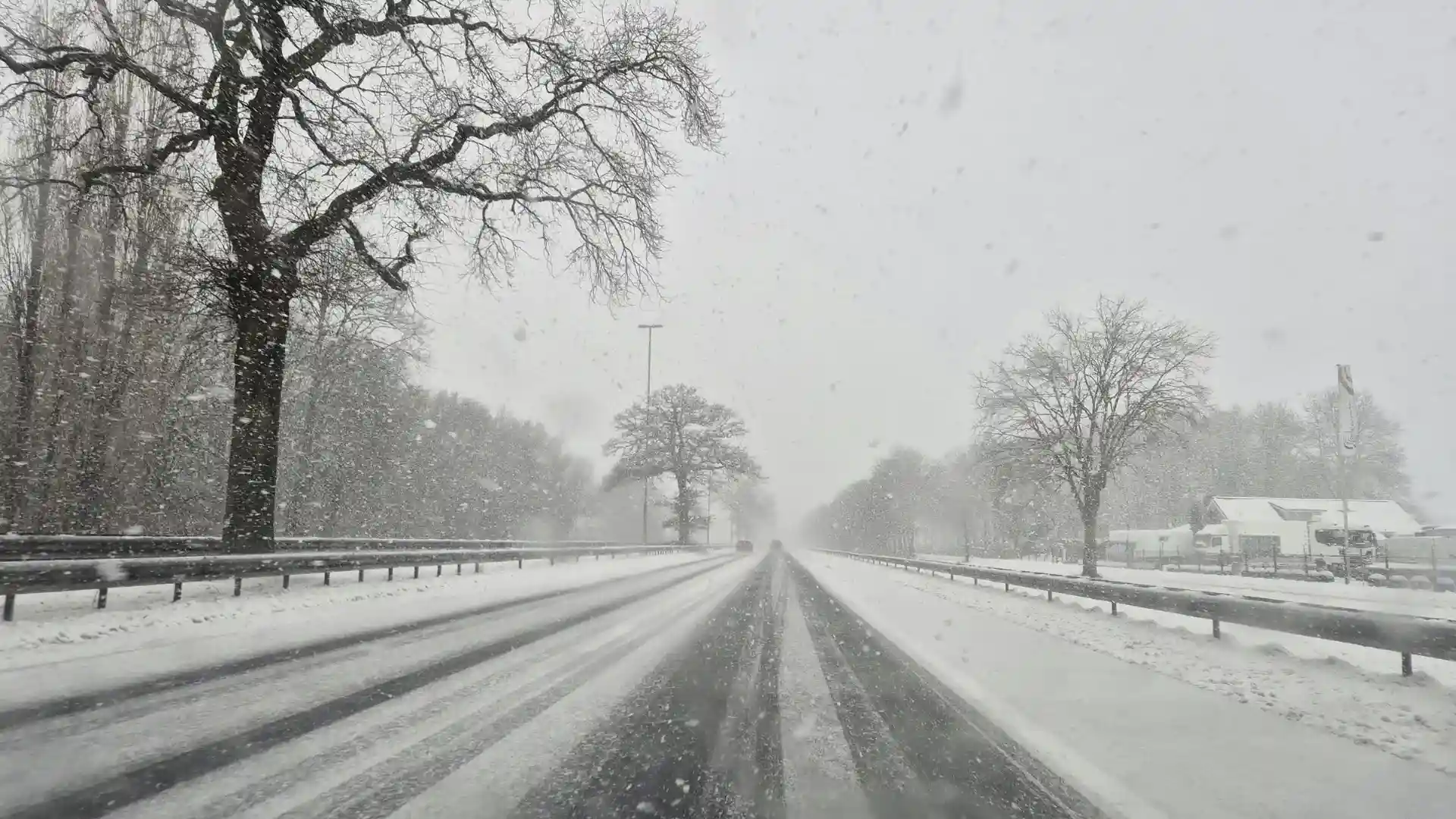
Many people believe that bad weather absolves drivers of liability. This is incorrect. Florida law requires drivers to adjust their speed and driving behavior for weather conditions. A driver who causes an accident in rain, fog, or heat can still be held liable if they failed to drive safely for those conditions.
The legal standard is whether a reasonable driver would have adjusted their behavior given the weather. If another driver was speeding in heavy rain, following too closely in fog, or driving aggressively in extreme heat, they violated this standard and can be held responsible for the accident. Understanding common causes of car crashes can help establish negligence.
The Bruner Law Firm investigates weather-related accidents by collecting weather data from the National Weather Service. We obtain accident reconstruction reports and consult with expert witnesses. We gather evidence showing road conditions, visibility levels, and weather intensity at the time of the accident. We also review the at-fault driver’s actions to show they failed to adjust for conditions.
Florida’s comparative negligence standard, established in Florida Statute 768.81, allows injured people to recover damages even if they were partially at fault, as long as they were 50% or less at fault for the accident. This means even if you made a minor driving error in bad weather, you may still recover compensation from the driver who was more responsible for the crash. Learn more about how to maximize your personal injury settlement.
Frequently Asked Questions
Can I file a claim if the accident happened in bad weather?
Yes. Bad weather does not eliminate the other driver’s responsibility to drive safely. Drivers must adjust their speed and following distance for weather conditions. If another driver failed to adjust and caused an accident, they can be held liable. The Bruner Law Firm can investigate your auto accident and prove negligence even when the weather was a factor. We also handle rideshare accidents and boat accidents caused by weather conditions.
How do I prove the other driver was negligent in a weather-related accident?
Evidence is critical in weather-related cases. Dashcam footage showing the other driver’s actions is valuable. Weather reports from the National Weather Service document conditions at the time of the accident. Accident reconstruction experts can analyze skid marks, vehicle damage, and road conditions to determine what happened. Witness statements describing the other driver’s speed or following distance help establish negligence. The Bruner Law Firm handles all evidence collection and expert consultation. We also help clients understand how to document their personal injury for a successful claim.
What damages can I recover in a weather-related accident case?
You can recover compensation for medical expenses, including emergency care, surgery, physical therapy, and ongoing treatment. Lost wages cover income you missed while recovering from injuries. Pain and suffering compensation addresses physical pain, emotional distress, and reduced quality of life. You can also recover property damage to your vehicle and future medical care costs if your injuries require long-term treatment. For serious injuries, you may qualify for punitive damages.
Does Florida’s no-fault insurance apply to weather accidents?
Florida’s no-fault system requires your own insurance to cover medical expenses through Personal Injury Protection (PIP) coverage, regardless of who caused the accident. However, you can pursue a third-party claim against the at-fault driver’s insurance if your injuries are serious. Florida’s comparative negligence standard applies to weather accidents just as it does to other crashes. The Bruner Law Firm can help you navigate both your PIP claim and any third-party liability claim. Learn more about how to report a car accident to insurance.
Contact The Bruner Law Firm for Your Weather-Related Accident Claim
If the weather caused your accident, don’t wait to seek legal help. The Bruner Law Firm offers free consultations to discuss your case and explain your options. We handle all investigations and evidence collection, so you can focus on recovery.
Call us today at (850) 243-2222 or visit one of our four Florida office locations in Fort Walton Beach, Panama City, Niceville, or Santa Rosa Beach. We’re available 24/7 to answer your questions. There are no upfront costs. We work on contingency, meaning you pay nothing unless we recover compensation for you. The Bruner Law Firm represents injured people exclusively, and we’re ready to fight for the compensation you deserve.
Related Posts